Top Reasons to Call Dependable Refrigeration & Appliance Repair Service for Same-Day Service
Rejuvenate Your Appliances: Professional Repair Services for a Worry-Free Home
In any household, appliances perform a vital part in daily routines. When they malfunction, the ensuing disruption can be frustrating and inconvenient. Professional repair services can rejuvenate these vital machines, making certain they function optimally once again. Understanding when to pursue professional support and what the repair process involves can substantially impact both the longevity of appliances and household peace. Exploring these factors can provide useful insights for maintaining a seamless home environment.
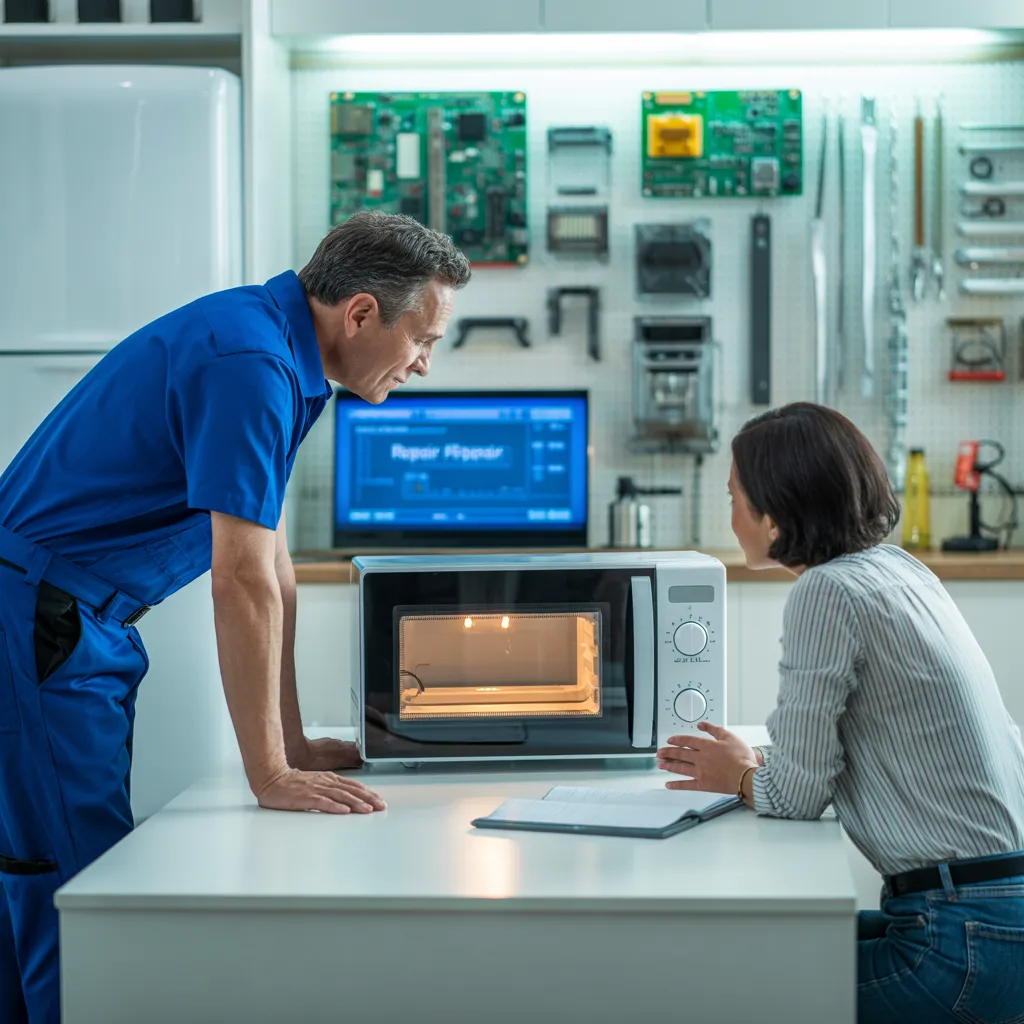
Home Appliances That Often Experience Breakdowns
Domestic appliances fulfill a crucial purpose in day-to-day activities, however many are prone to malfunction. The most frequent offenders include refrigerators, which can encounter issues like thermal variations or refrigeration breakdowns. Washing machines also frequently break down, frequently due to issues with the cylinder, motor unit, or draining apparatus. Dishwashers, though practical, may encounter failures such as water seepage or blocked strainers, leading to poor washing performance. Ranges and cooktops can be problematic as well; issues with warming components or starter mechanisms are fairly frequent. Microwaves, despite being commonly underappreciated, can be affected by faulty door latches or malfunctioning circuit boards. Additionally, HVAC systems, vital for maintaining comfortable living environments, may malfunction due to worn-out components or refrigerant leaks. Each of these appliances, integral to modern living, highlights the importance of prompt servicing and fixes to guarantee sustained operation and productivity.
Signs That Your Household Appliance Requires Expert Repair Services
Recognizing the indicators that an appliance requires expert repair can prevent further complications. Strange noises and the presence of warning lights are important indicators of underlying concerns. Addressing these signs swiftly can protect valuable time and resources in the long run.
Unfamiliar Sounds Indicate Concerns
When household appliances start producing strange sounds, it typically indicates underlying problems that require immediate attention. These sounds can include everything from grinding and rattling to buzzing and hissing, with each indicating specific issues. For instance, a washing machine that emits a loud thumping noise may signal an unbalanced load or worn-out bearings. Likewise, a refrigerator that hums excessively might be dealing with a failing compressor. Overlooking these sounds can lead to more substantial harm and costly repairs later on. Consequently, it is vital for homeowners to detect these auditory warnings and seek expert repair services. Tackling the source of unusual noises promptly not only extends the appliance's lifespan but also guarantees optimal functionality in the home.
Warning Indicators Are Active
Unusual noises are not the only indicators that an appliance may be malfunctioning; warning lights can also signal the need for expert repair. When an appliance displays a warning light, it typically indicates an issue that requires immediate attention. For instance, a blinking light on a washing machine may suggest an imbalance, while a refrigerator's temperature warning light can point to cooling problems. Ignoring these signals can lead to further damage and costly repairs. Homeowners should pay close attention to their appliances' warning lights, as they serve as vital alerts for potential failures. Seeking expert repair services promptly can guarantee the appliance is restored to peak functioning, ultimately preventing inconvenience and additional expenses.
Why Employ Professional Appliance Repair Specialists?
Employing professional appliance repair technicians can greatly enhance the performance and longevity of household appliances. These experts have specialized knowledge and experience, enabling them to accurately diagnose issues that may be hard for homeowners to identify. They are equipped with the right tools and replacement parts, making certain repairs are conducted proficiently and successfully.
Additionally, professional technicians stay updated on the latest innovations and trends in appliance repair, which can be essential for modern equipment. By handing over repairs to skilled professionals, homeowners can prevent the risks linked with DIY attempts, such as further damage or safety hazards.
Furthermore, bringing in specialists can conserve time and reduce stress, as they can rapidly fix issues and offer valuable maintenance tips. In the end, securing the services of professional appliance repair technicians not only brings back functionality but also enhances the overall comfort of the home environment.
Locating the Perfect Repair Service for Your Appliance Problems
Locating the right repair service for appliance needs can substantially impact the success of repairs. Consumers should prioritize researching local repair services, as proximity can influence response times and convenience. Online reviews and testimonials provide information into customer satisfaction and service quality, helping individuals to make informed decisions. It is also crucial to validate the credentials and experience of technicians, ensuring they are qualified to handle specific appliance brands and models.
Additionally, securing multiple quotes can assist in comparing prices and services, providing transparency in costs. A credible service should offer warranties on both parts and labor, showing confidence in their work. Communication is another key factor; a quality repair service should provide straightforward explanations of issues and possible solutions. In summary, taking the time to find a reliable repair service can bring about more efficient repairs and a enhanced overall experience for homeowners.
What Happens During the Repair Process?
Throughout the repair process, technicians commence with an initial diagnosis to identify the appliance's issues. Following this, necessary parts are replaced to restore functionality. Finally, a testing phase ensures that the appliance functions correctly before it is returned to the owner.
Primary Diagnostic Process
A detailed initial diagnosis is vital for effective appliance repair, as it lays the groundwork for identifying issues accurately. During this process, a qualified technician will assess the appliance to gather relevant information about its working condition and any symptoms reported by the homeowner. This involves a visual inspection, checking for unusual noises, smells, or leaks, and testing various operational functions. Technicians may utilize specialized diagnostic tools to pinpoint malfunctions and may also consult the appliance's manual for troubleshooting recommendations. This systematic approach assists in understanding the underlying problems and enables the technician to create a clear repair strategy. Ultimately, an accurate diagnosis not only expedites the repair process but also helps avoid future issues, ensuring superior appliance performance.
Component Exchange Process
Following confirmation of the diagnosis, the technician begins the parts replacement process by assembling the necessary components for the repair. This includes confirming that all parts are compatible with the specific appliance model. Once the components are collected, the technician cautiously disassembles the appliance, taking care to document the arrangement of removal for reassembly. Each part is evaluated for wear or damage, and the faulty components are replaced precisely. The technician follows safety protocols throughout, disconnecting power sources and employing appropriate tools. After installation, the technician ensures all connections are secure and that the new parts are functioning appropriately. This systematic approach helps to restore the appliance's performance, delivering reliability and longevity.
Final Testing Stage
When the parts replacement task is complete, the focus shifts to the final testing phase. During this critical stage, technicians power on the appliance to confirm that it operates as designed. They watch its functionality carefully, looking for any strange noises or malfunctions. Essential tests may include checking temperature settings in refrigerators or running cycles in washing machines. Technicians also assess the proper integration of new components, verifying they interact properly with existing parts. If any problems arise, further adjustments or troubleshooting are performed. This thorough assessment ensures that the appliance is safe, efficient, and ready for use. Finishing the final testing stage allows customers to have peace of mind, knowing their appliances have been expertly repaired and are in ideal working condition.
Repair Expenses: Is It Worth It?
How does one determine whether the cost of appliance repair is justified? Assessing repair costs entails examining several key factors. To begin with, you should evaluate the appliance's age; typically, when it exceeds half its anticipated lifespan, buying new might be more cost-effective. Second, you should compare the repair quote to a new appliance's cost, since conventional wisdom indicates that repairs exceeding 50% of replacement value may not be justified. Additionally, the frequency of past repairs should be taken into account; appliances requiring multiple fixes in a short period often signal the need for replacement. Finally, evaluating the energy efficiency of the appliance can provide long-term savings that may offset repair costs. In summary, thorough evaluation of age, repair history, and cost analysis is crucial when determining if appliance repair makes financial sense.
Appliance Maintenance Guide to Avoid Breakdowns
Fixing appliances frequently leads to considerable costs, which makes regular maintenance a preventative strategy to prevent failures. Consistent care for appliances simultaneously increases their service life and boosts effectiveness. Straightforward procedures, including cleaning refrigerator coils and maintaining proper dryer ventilation, work to stop excessive heat buildup and component malfunctions.
Homeowners should also check and replace filters in air conditioning units and dishwashers to keep maximum effectiveness. Additionally, inspecting hoses and connections for leaks can prevent water damage and high-cost repairs.
Planning annual professional maintenance can uncover potential issues before they escalate, allowing for timely interventions. Moreover, following manufacturer guidelines for use and care helps ensure appliances operate smoothly.
Popular Questions
What Is the Typical Duration of Appliance Repairs?
Appliance repairs typically take between 1 to multiple hours, according to the complexity of the problem. Minor problems may be fixed rapidly, while more involved repairs could need further time for component replacement and labor.
Can I Fix My Appliance by Myself Rather Than Using a Professional Service?
Yes, individuals can repair appliances themselves if they possess the necessary skills and tools. However, without proper knowledge, attempting repairs may lead to associated resource further damage or safety hazards, making professional help a safer option.
What Warranty Coverage Do Appliance Repair Services Provide?
Appliance repair services typically offer warranties that cover parts and labor for a designated period, usually extending from 30 days to one year. These warranties ensure customer satisfaction and safeguard against future issues stemming from the repair.
Are Spare Parts Part of the Repair Cost?
Parts are normally excluded from the repair charge. Service providers typically bill parts as a separate item, with prices fluctuating according to equipment type and needed components, ensuring customers are aware of total expenses upfront.
How Do I Avoid Future Appliance Breakdowns?
Regular maintenance, including cleaning, proper usage, and timely inspections, greatly reduces the likelihood of future appliance failures. Moreover, complying with manufacturer recommendations and swiftly fixing minor issues can extend the life expectancy of household appliances efficiently.